

05 June 2026
In focus
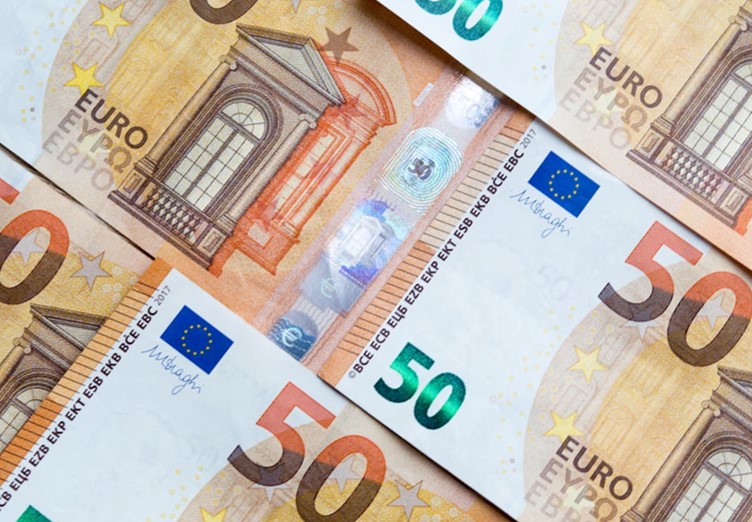
Euro struggles to find its footing
The euro slipped by 3% against the US dollar in July, marking its weakest performance since April 2022. After its strongest upward move since 2003, it’s no surprise to see momentum stalling. Still, a renewed push higher later this year remains a possibility. In the near term, however, a drift towards 1.13 or even 1.12 appears increasingly likely.
Earlier this year, market movements were largely driven by capital flows, hedging, and geopolitical developments, rather than interest rate differentials. As these factors begin to wane, attention is returning to yield comparisons. The historical correlation between short-term US yields and dollar strength is beginning to reassert itself. With the Federal Reserve adopting a cautious tone and signalling only gradual policy easing, the euro could face further downward pressure against the dollar. Looking ahead to 2026, the European Central Bank is expected to reach the end of its cycle just as the Fed continues cutting rates. This divergence could ultimately support the euro in a yield-driven recovery further down the line.
Data from the options market suggests that short-term sentiment around the euro-dollar pair has soured. Risk reversals – which capture the difference in appetite for hedging against a stronger or weaker euro – indicate a negative short-term outlook over the next month. This points to investors leaning towards further euro weakness in the immediate future. However, longer-term sentiment remains more favourable, supported in part by the belief that the dollar may continue to soften over time, with the euro still seen as the second most liquid global currency.
Sterling slips during the summer lull
The pound dropped to a two-month low against the US dollar yesterday, briefly finding support at 1.32. It has suffered one of its sharpest monthly declines since the turbulence of 2022 and 2023, when Liz Truss’s mini budget sent sterling into freefall. The dollar’s strength this week was driven largely by the Federal Reserve’s continued hawkish rhetoric. Despite this, the pound held up better than the euro, falling by just under 2% this week compared to a 3% decline for the single currency.
Markets are now heavily pricing in a rate cut from the Bank of England next week, with two cuts by the end of the year considered likely. A repeat of May’s three-way split decision – with options ranging from no change to a more aggressive cut – remains on the table. Although the Bank has adopted a slightly more dovish tone, ongoing concerns around inflation and a cooling jobs market are expected to keep its forward guidance fairly balanced, which should limit downside pressure on sterling.
Short-term movements in the pound are likely to be shaped primarily by developments in the United States. A strong non-farm payrolls report or a lower unemployment reading today could push the pound below the 1.32 level.
Meanwhile, the euro-pound pair rebounded yesterday, snapping a three-day losing streak. It found support at 0.86100 and remains confined within a tight range between 0.8610 and 0.8660. Despite recent weakness, the pair has performed well this month, reaching levels last seen at the end of 2023 and rising by nearly 1% since the start of July. Although the new EU–US trade agreement has introduced a layer of uncertainty, the euro is still supported by a more assertive policy stance, a stable economic backdrop, and its role as a favoured safe haven amid US volatility.
Looking ahead, eurozone inflation figures due tomorrow could serve as the trigger for a breakout above the recent range if they surprise to the upside.
Dollar strength remains firmly in place
The US dollar index’s return to the 100 level is more than just technical. It reflects a shift in broader macroeconomic sentiment. The index closed July over 3% higher, delivering its first monthly gain of 2025. That 100 mark, which once served as a pandemic-era floor, now presents a key psychological and technical barrier. A solid break above it could open the door to further gains, and today’s jobs data might well provide the catalyst.
The dollar’s resurgence has been driven by three main forces: renewed optimism over US trade deals, solid economic data, and a central bank showing little urgency to ease policy. A combination of reduced trade risk, robust growth figures, and Fed Chair Jerome Powell’s resistance to cuts has fuelled a return of bullish dollar sentiment, lifting the greenback back towards the top of the G10 rankings.
Trade tensions flared up again this week. President Trump imposed a 25% tariff on Indian goods, branding the country a “dead economy” as talks broke down. Canada was also targeted with a 35% tariff in response to its recognition of Palestinian statehood, although existing USMCA rules should keep the real impact limited. South Korean exports now face a fresh 15% duty, Brazilian goods were slapped with a 50% rate, and Swiss products with 39%. These moves have weakened both the real and the franc. That said, successful agreements with Japan and the European Union, along with a 90-day extension for Mexico, provided some comfort to investors and eased broader concerns over trade fragmentation.
Even so, the overall picture points to significant headwinds for global trade and growth. Equity markets may soon retreat from recent highs as investor optimism fades. Ongoing uncertainty is also likely to weigh on business confidence, slowing both investment and hiring decisions. This could compound the challenges already facing global growth.
The Federal Reserve kept interest rates steady at 4.25 to 4.50% this week, though two policymakers broke ranks by voting for an immediate cut – the first such split in over three decades. Powell, however, opted to hold the line, awaiting more clarity on the inflationary impact of tariffs. Market expectations for a September rate cut dropped sharply, falling from nearly 65% to just 37%.
That caution appears justified, as inflationary pressures show signs of re-emerging. The Fed’s preferred inflation measure, core PCE, remained unchanged at 2.8% in June – still well above the central bank’s 2% target. The headline rate edged higher to 2.6%, driven in part by tariffs feeding through into consumer prices. Meanwhile, consumer spending rose by just 0.3%, and by only 0.1% when adjusted for inflation, indicating that households are starting to feel the strain.
Despite these pressures, the labour market remains solid. Initial jobless claims rose slightly to 218,000 but came in below expectations for the sixth week in a row. Continuing claims held steady at 1.95 million, suggesting that most people losing their jobs are still finding work reasonably quickly.
All eyes are now on today’s non-farm payrolls data. If hiring remains strong and wage growth stays in check, it would support the idea of a ‘Goldilocks’ scenario – not too hot and not too cold – and would help keep the US dollar’s recovery firmly on track.