
03 June 2026
News
- Monfor Dealing Team
- ZAR
South African rand: 2026 outlook turns more two-sided
- Monfor Dealing Team
- ZAR
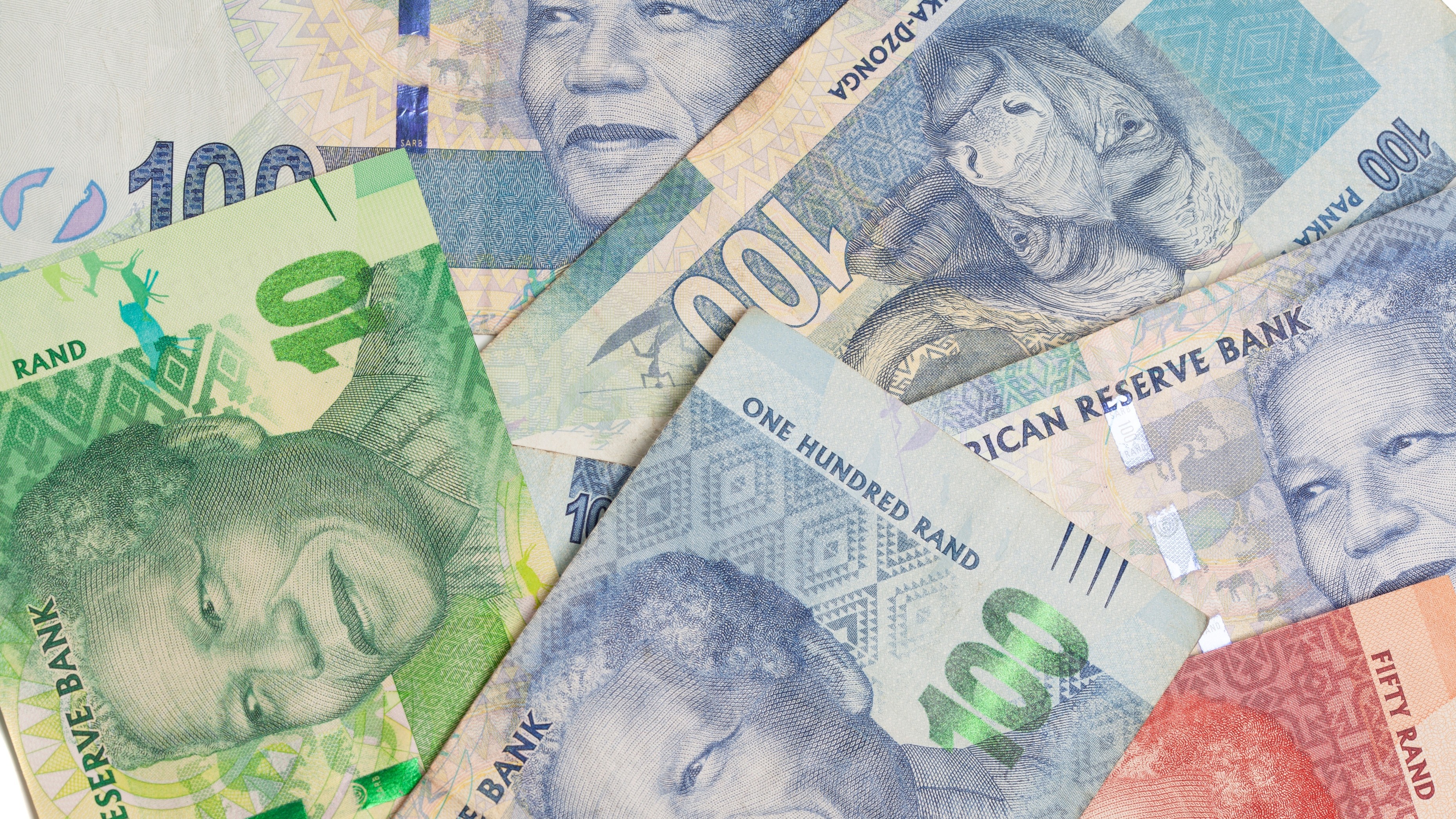
The rand (ZAR) has stabilised after a strong late-2025 run, but 2026 looks set to hinge on fiscal follow-through at home and risk appetite offshore.
1) Recent price action
A firmer rand, but the easy gains may be behind us
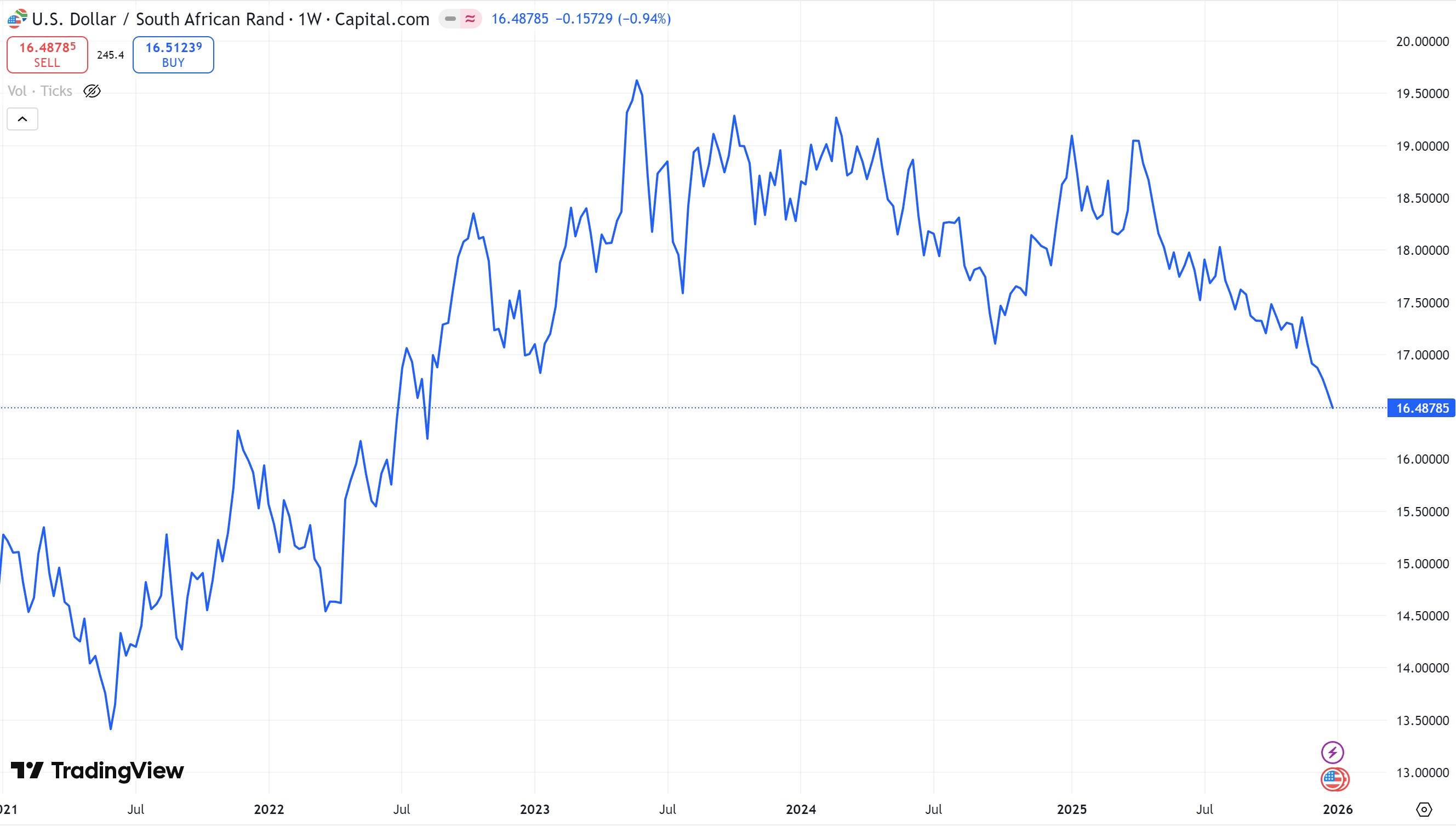
The rand has staged a decent recovery into year end. USD/ZAR traded near 17.20 last month, its strongest level since late 2024, with GBP/ZAR around 22.17. The mix has been supportive: tighter fiscal messaging, record gold prices and a fading of earlier domestic shocks. Beyond the headline strength, however, 2026 looks more balanced, with improved budget discipline offset by soft domestic growth and a more uncertain global backdrop.
2) Policy and politics
Fiscal progress helps credibility, but execution risk remains high
Fiscal policy in 2025 has provided a modest cushion for ZAR. After years of slippage, the state moved back into a primary surplus and is guiding towards debt stabilisation around 77 to 78% of GDP by 2026. Ratings agencies have taken notice: Fitch retained BB- with a stable outlook in September, highlighting gradual consolidation, while S&P upgraded South Africa to BB on 14 November 2025, citing stronger fiscal discipline, incremental improvement at Eskom and continued primary surpluses.
The medium-term budget also points to healthier revenue collection, helped by strong commodity receipts and improved enforcement, allowing deficit reduction without deep spending cuts. The market takeaway is straightforward: stick to the framework, avoid surprise bailouts or unfunded commitments, and ZAR’s risk premium can compress. The warning is equally clear from both agencies: if growth disappoints or targets are missed, investor patience will be limited and the currency can reprice quickly.
Geopolitics is an additional swing factor. South Africa’s hosting of the G20 in Johannesburg in late November 2025 raised its profile, but the public dispute with Washington keeps event risk elevated. Any deterioration in trade access or sanctions rhetoric would be negative for exports and sentiment, while a further pivot towards China and the wider BRICS sphere increases the rand’s sensitivity to Chinese growth and emerging-market risk appetite.
3) Macro and market drivers
Low inflation supports rate cuts, while carry and commodities do the heavy lifting
Fundamentals do not yet argue for a sustained rand rally. Growth remains modest: official forecasts sit around the low-1% area and ratings agencies expect only a gradual improvement through 2026 and beyond. Recent GDP prints reinforce that message, with activity lacking momentum.
Inflation is the brighter spot. Headline CPI has eased into the low-4% range, and the shift towards a 3% target with a 1% tolerance band provides a clearer nominal anchor. The SARB has already started to ease, cutting the repo rate to 6.75% in November 2025, and signalling scope for further reductions. Lower rates may support demand at the margin, but they also reduce ZAR’s carry appeal, particularly if US policy rates fall further in 2026.
External balances still matter. A current account deficit around 1 to 1.5% of GDP leaves South Africa reliant on portfolio inflows, which can reverse abruptly when global risk sentiment turns. Commodity prices remain the other key lever: gold strength has been a meaningful tailwind, but structural constraints such as power and water shortages cap the domestic growth dividend even when terms of trade are favourable.
Looking ahead
What we are watching into 2026
-
Base case: modest appreciation at best, with USD/ZAR likely oscillating in the mid-16s to 17s if fiscal discipline holds and global conditions are constructive.
-
Downside risks: renewed US-South Africa tensions, loss of trade privileges, a commodity drawdown, higher oil prices, or a global risk-off shock could push USD/ZAR back towards 18 or higher.
-
Key signposts: budget execution and any contingent liabilities, Eskom reform traction, SARB easing pace versus the Fed, China growth signals, and broader EM risk appetite.
ZAR enters 2026 with improved credibility, but it still needs cleaner growth and calmer external conditions to convert that into a durable re-rating.