
05 June 2026
In focus
Trump–Putin summit: a weekend of ambiguity
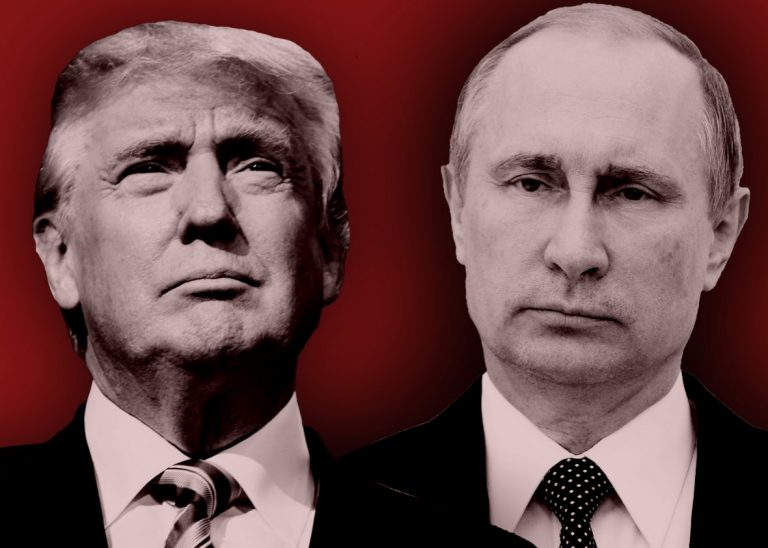
The highly anticipated summit between Donald Trump and Vladimir Putin concluded over the weekend, yet offered little in terms of tangible progress. Despite mounting speculation, no ceasefire was announced. What emerged instead was the sense of an “understanding” between the two leaders, with Putin maintaining his firm line that Ukraine must accept territorial concessions. Reports suggest Trump may attempt to persuade President Zelenskiy to agree to such compromises, particularly over the contested Donbas region.
The absence of any truce is widely viewed as a strategic win for Putin, who retains the initiative on the battlefield while peace discussions lean towards concessions rather than a halt in fighting. In an interview afterwards with Fox News, Trump shifted responsibility onto Zelenskiy, insisting it was up to him to “get it done.” European partners continue to press for a trilateral summit in hopes of balancing US–Russia dynamics with Ukraine’s voice at the table.
Dollar caught between geopolitics and Fed signals
Currency markets registered only a muted reaction to the summit, with the dollar slipping around 0.3% on Friday despite strong US retail sales data and upward revisions to previous readings. Traders appeared reluctant to chase the greenback higher given soft labour market conditions and uncertainty around monetary policy.
Going forward, geopolitical risk remains dollar-positive in two key respects: reinforcing its safe-haven appeal and fuelling demand through higher oil prices. Yet the real pivot this week lies with monetary policy. The publication of the Federal Reserve’s minutes, followed by the Jackson Hole Symposium, will mark the central bank’s first public commentary since speculation of a dovish tilt began. Should that view be confirmed, the dollar may face renewed downward pressure.
Euro seeks a peace dividend
The euro continues to hover near $1.17 against the US dollar, supported by generally stable market sentiment even as the US–Russia summit produced no concrete results. European equity futures are mildly firmer, oil prices subdued, and risk assets overall holding steady.
A genuine breakthrough in peace negotiations would likely bolster the euro by reducing geopolitical risk, calming energy markets, and improving the growth outlook across the Euro Area. Lower inflation volatility and stronger sentiment could further cement expectations for the European Central Bank to maintain its current pause, making euro-denominated assets more attractive.
Attention now shifts to a busy data calendar: the final July inflation figures, preliminary August PMIs, consumer confidence surveys, and Germany’s Q2 GDP expenditure breakdown. The release of Eurozone wage data will be especially important for the ECB’s inflation assessment. President Christine Lagarde will also speak at major gatherings in Geneva and Jackson Hole this week, though direct policy signals ahead of the 11 September meeting remain unlikely.
Sterling steady with eyes on inflation
Sterling closed last week nearly 1% stronger, buoyed by market expectations that the Bank of England may strike a more hawkish stance after resilient GDP and labour market readings.
This week’s inflation report will be the key driver. With wage growth still around 5% and service-sector price pressures persisting, the risk of another upside surprise is real. Should inflation overshoot forecasts, GBP/USD may finally break through the $1.36 level tested last week. Current market pricing implies just under a 60% chance of one further rate cut before year-end.
Against the euro, sterling looks set to consolidate around the €1.16 area, with the potential to edge higher if inflation data proves sticky. The euro, meanwhile, continues to be weighed down by both elevated oil prices and the lack of visible progress on the Ukraine front.