

05 June 2026
In focus

- Monfor Dealing Team
- News
Autumn Budget 2025: Key Risks and GBP Implications
- Monfor Dealing Team
- News
Crunch Time for Rachel in Accounts
-
The UK enters the budget with weak public finances, a £25bn gap and limited room for cuts, making targeted tax rises likely.
-
GBP could rise on credible fiscal plans, fall on higher borrowing or weak forecasts, or stay steady if the budget meets expectations.
This year’s Autumn Budget will be closely watched, with the UK entering it in a weak fiscal position. Labour’s earlier plans for £70 billion in extra spending, funded partly by tax rises and borrowing, have not produced the expected gains, while global pressures have added strain. The fiscal gap is estimated at around £25 billion, and although some of this is covered by remaining headroom, Chancellor Reeves will still need to raise additional revenue.
New tax increases are almost inevitable. Weak economic growth, falling productivity, high inflation and elevated borrowing costs have all reduced revenues and increased spending pressures. With limited room for spending cuts or further borrowing, the government is expected to focus on targeted tax measures.
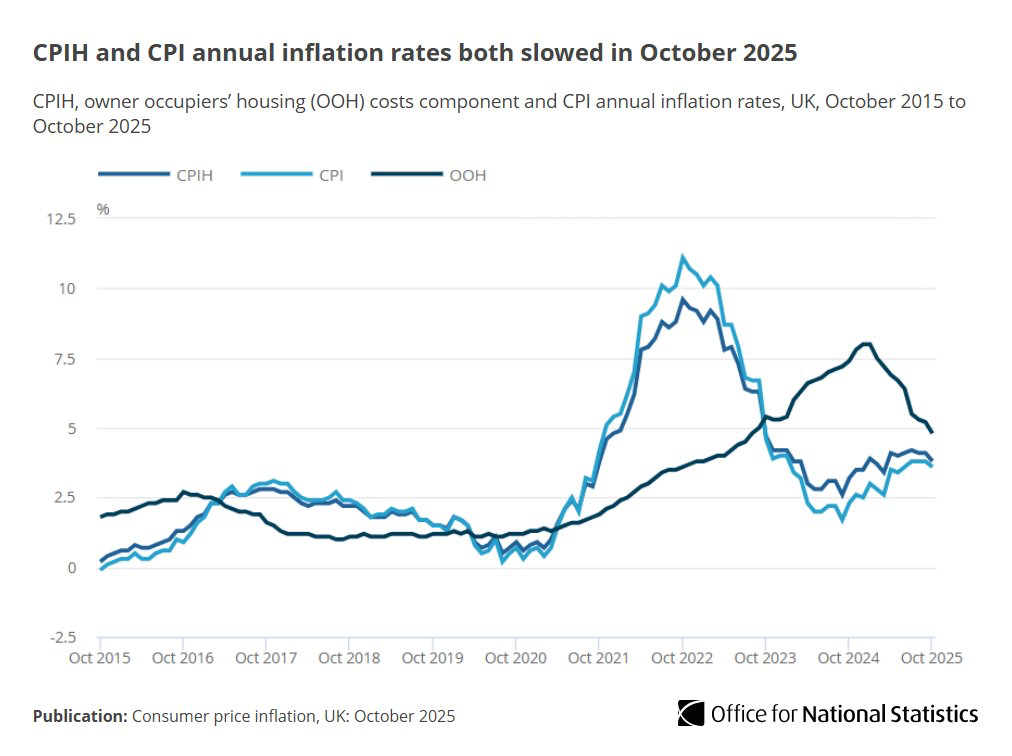
The most likely steps include freezing income tax thresholds beyond 2028, a small rise in capital gains tax, possible pension tax reforms, minor inheritance tax adjustments and potential changes to property taxation. These measures vary in political difficulty and revenue potential, but together form the most realistic path for closing the gap in the public finances.
How could financial markets react to the budget?
Market anxiety ahead of the budget has already weighed on the pound and gilts. Sterling is down almost 4 percent against the dollar since mid-September, and gilt markets have been volatile, although yields have fallen from recent highs, suggesting investors still have some confidence in the government.
Reeves must convince markets she can repair the public finances while supporting growth. Modest spending cuts are possible, but political resistance limits how far they can go. Savings of around £5 billion a year seem achievable and largely priced in, so anything above that would likely be welcomed by markets.
The most positive outcome for financial markets would be stronger growth and productivity forecasts and a smaller fiscal gap, allowing for more targeted tax rises. Any surprise tax measures, higher borrowing projections or further above-inflation spending increases would likely unsettle investors and put pressure on the pound.
Market reactions will also reflect changes in expectations for Bank of England policy. A tax-heavy, growth-dampening budget could push the MPC toward earlier rate cuts, weighing on sterling. A more growth-friendly package would likely do the opposite.
What the Budget Could Mean for Sterling
Financial market reactions to the Autumn Budget will depend heavily on the balance between spending, borrowing and taxation.
£ ⬆️ A budget that delivers larger-than-expected spending cuts, avoids surprise tax increases and provides a clear and credible plan to balance the books would likely be viewed positively. In this scenario, sterling would probably strengthen, gilt yields would fall and the overall growth impact would be constructive. The Bank of England would likely respond with a more neutral to slightly hawkish stance.
£ ⬇️ At the other end of the spectrum, a budget that relies on high levels of borrowing, raises spending further, contains sizeable tax hikes and includes significant downgrades to growth and productivity would unsettle markets. Under these conditions, the pound would likely weaken, gilt yields would rise and the growth outlook would deteriorate. The Bank of England might adopt a more dovish stance in response to softer economic conditions.
£ ➡️ A budget that broadly maintains the status quo, with no major surprises on taxes, spending or borrowing, would generate a more muted reaction. Sterling would likely trade steadily, gilt yields would remain relatively stable and the growth outlook would show little change. The Bank of England’s stance would likely remain neutral.
The challenge for Chancellor Reeves is to restore credibility while balancing political constraints and economic realities.