Euro climbs on Fed–ECB policy gap
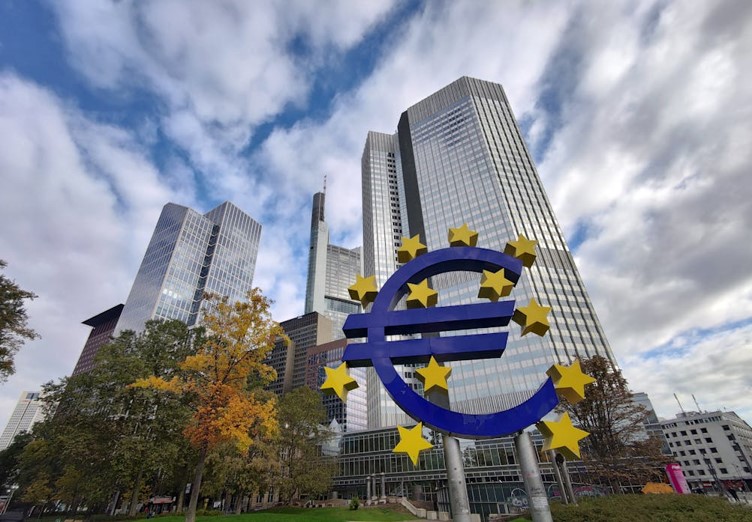
After its steepest weekly fall of 2025, the euro has bounced back strongly against the dollar, retracing almost half of its losses and moving above its 21-day moving average. That trend indicator is now turning higher, suggesting short-term bullish momentum.
The shift in sentiment has been rapid, fuelled by expectations of Federal Reserve rate cuts and hopes for progress on a Russia–Ukraine ceasefire.
Economic data from the eurozone has been disappointing — June retail sales fell short of forecasts, July’s private sector activity was revised lower, and German industrial production missed expectations. Even so, monetary policy divergence remains supportive. Markets now see a 60% chance of just one more ECB cut this year, while the Fed is expected to speed up easing.
We see $1.18 as a near-term target for EUR/USD, with $1.20 possible by year-end. This could limit GBP/EUR gains despite yesterday’s hawkish Bank of England decision.
The Swiss franc remains under pressure from US tariffs, prospects of negative interest rates, and reduced safe-haven demand amid easing geopolitical tensions. Unless global risks flare up again, selling pressure on the franc may continue, even if it looks oversold in the short run.
Bank of England: hawkish cut boosts sterling
The Bank of England cut rates by 25bps to 4% yesterday but delivered a surprisingly hawkish message, warning that policy is becoming less restrictive. Markets now expect no further cuts this year and only two more by mid-2026.
The decision was the result of a rare two-round vote. Initially, the nine-member committee split: 4 wanted to cut, 4 to hold, and 1 called for a larger 50bp cut. In the second round, the dovish outlier switched to a smaller 25bp move, giving the cut a narrow 5–4 victory.
The vote split reflects tension between rising inflation — forecast to peak at 4% in September — and signs of labour market weakness following payroll tax increases and higher minimum wages.
Markets were caught off guard by the four members who wanted to hold rates. Sterling jumped alongside gilt yields, with odds of another cut in Q4 falling from over 90% to under 65%. Two-year gilt yields posted their largest daily gain in a month, offering near-term support for the pound.
However, the UK still faces stagflation risks. Services inflation remains high, GDP contracted in April and May, and the real yield advantage could narrow. GBP/USD has nonetheless risen for five straight days, back above $1.34, while GBP/EUR is on track for its best week in seven.
US tariffs, Fed outlook, and earnings divide
Stephen Miran, architect of the Trump administration’s protectionist trade stance, will temporarily join the Federal Reserve Board. His appointment adds another dovish voice as policymakers debate whether tariffs are a one-off price shock or a lasting driver of inflation. Markets, focused on slowing growth, are pricing in the possibility of a September rate cut.
Speculation over the next Fed Chair is building, with Governor Chris Waller — a known dove — emerging as a potential candidate. Meanwhile, the dollar remains soft on the back of new tariff announcements and broader trade uncertainty.
Earnings season underscores the split in corporate fortunes. S&P 500 earnings are tracking 9% above forecasts, but gains are concentrated in the tech sector — the “Magnificent Seven” have posted average year-on-year growth of 26%.
Manufacturing is under pressure, especially autos. GM reported a $1.1bn tariff hit, Ford $800m, Stellantis warned of up to €1.5bn in costs, and Toyota reported a $3bn quarterly impact. These results show how trade policy is weighing heavily on certain sectors, even as tech drives overall market strength.
Next week: US inflation in focus
All eyes will be on June’s CPI report. Consensus is for a 2.8% year-on-year rise, with a 0.2% monthly gain. A higher print could revive stagflation concerns and trigger market volatility.
The release comes after a weaker-than-expected jobs report and follows the removal of BLS Commissioner Erika McEntarfer by President Trump, adding another layer of political tension to the data.