
JPY: Political noise weighs, policy course intact
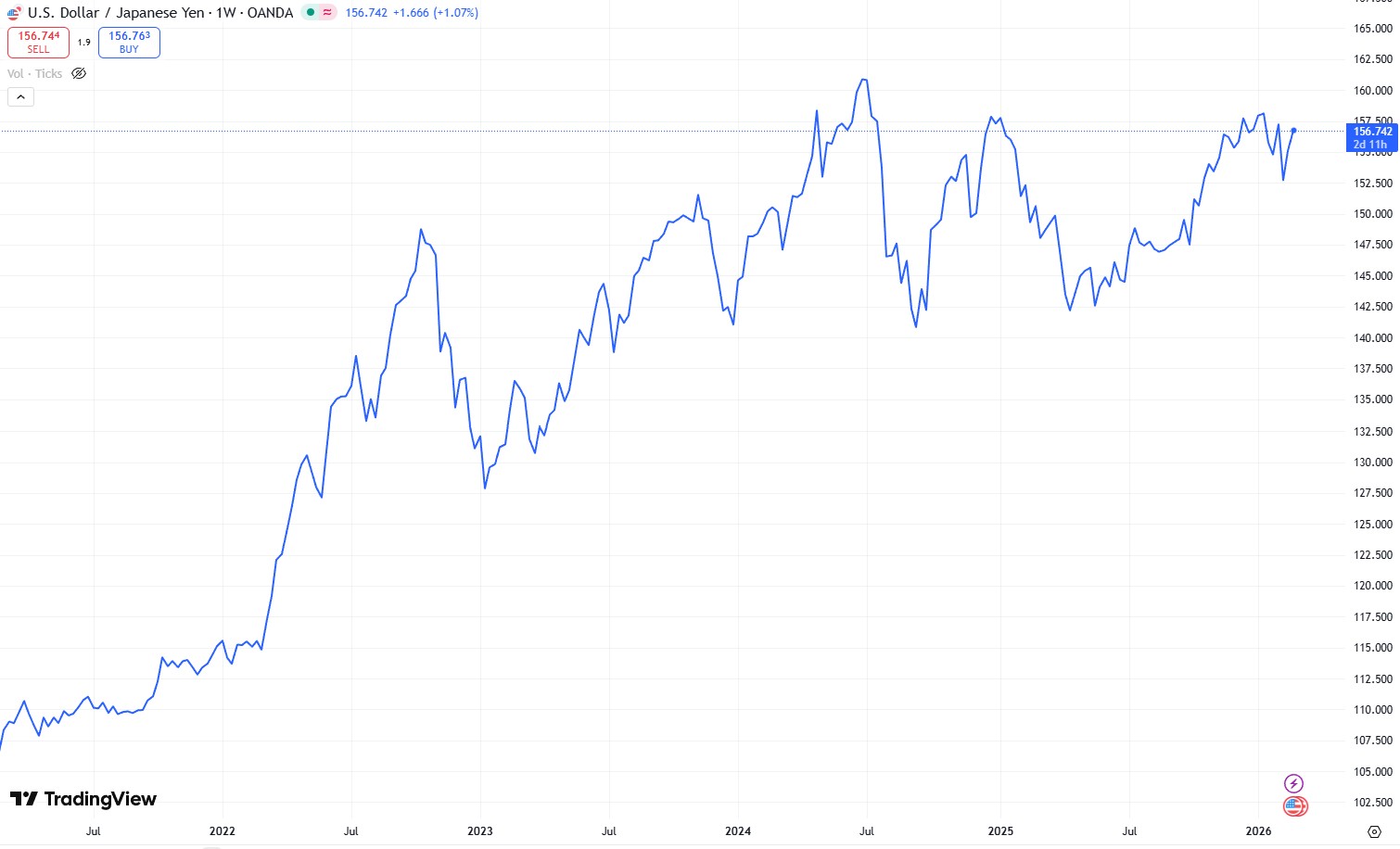
The yen softened against the US dollar after press reports highlighted Prime Minister Sanae Takaichi’s firmer rhetoric on future rate increases, alongside the nomination of two comparatively dovish Bank of Japan board members.
While markets initially interpreted these developments as tilting the policy balance, we do not see them altering the Bank’s measured normalisation strategy. The reaction in FX appears more reflective of positioning than of any material shift in the policy outlook.
BOJ: Board dynamics shift marginally, data remain decisive
The Bank of Japan raised rates unanimously in December, underlining that policy decisions remain grounded in economic fundamentals rather than political signalling. The nine-member board, comprising the governor, two deputies and six external members, operates by majority vote. The arrival of two new appointees will broaden the debate but is unlikely to redefine it.
Government nominees Ayano Sato of Aoyama Gakuin University and Toichiro Asada of Chuo University are often described as reflationist in orientation. Markets have interpreted this as creating a more consistent bloc resistant to further tightening. However, the outgoing members include one of the most dovish voices on the current board, suggesting the overall hawk-dove balance may shift only modestly.
We expect rate deliberations to become more finely balanced, with a higher probability of split votes. Even so, incoming data on growth, wages and inflation will remain the central determinant of policy. The more hawkish members, including Hajime Takata and Naoki Tamura, continue to argue for additional rate increases if conditions warrant.
Although Takaichi has expressed support for accommodative settings, the Bank is unlikely to ignore firm wage settlements or persistent price pressures should they materialise. Institutional independence has, so far, been maintained in practice.
Rates: April unlikely, June remains base case
A first-half hike, particularly while headline inflation is easing, appears improbable. Tokyo CPI data due this week are expected to show core inflation excluding fresh food slowing to around 1.7% year-on-year in February, down from 2.0% in January. Energy subsidies and stabilising food prices are key drivers of the moderation.
While yen weakness could add to imported price pressures, the Bank is unlikely to use rate policy explicitly to defend the currency. Instead, it will assess broader financial conditions, including whether recent market moves have materially tightened liquidity or credit availability.
Attention will also turn to the pace of bond purchase adjustments for fiscal year 2027, with guidance likely at the April meeting. Parliamentary approval of the new nominees warrants monitoring, particularly given the role of the upper house despite the LDP’s strength in the lower chamber.
Our base case remains a June rate increase, contingent on confirmation of spring wage growth above 5% and supportive April inflation data.
Looking ahead
-
Tokyo CPI release and implications for underlying inflation momentum
-
Outcome of spring wage negotiations and sustainability of wage gains
-
April policy meeting communication on bond purchase plans
-
Parliamentary confirmation process for new board nominees
-
FX sensitivity to shifts in rate expectations rather than political rhetoric