
Oil, politics and central banks set the tone
Market overview
Markets open the week balancing softer US inflation, an important ECB decision and a change of government in the UK. Oil approaching $90 a barrel adds another layer of uncertainty, leaving currencies, bonds and equities sensitive to central bank guidance, fiscal policy and geopolitical developments.
Lower US CPI and PPI readings have reduced expectations of further Federal Reserve tightening, helping Treasury yields retreat from recent highs. However, rising energy prices could quickly revive inflation concerns and reinforce the case for rates to remain elevated.
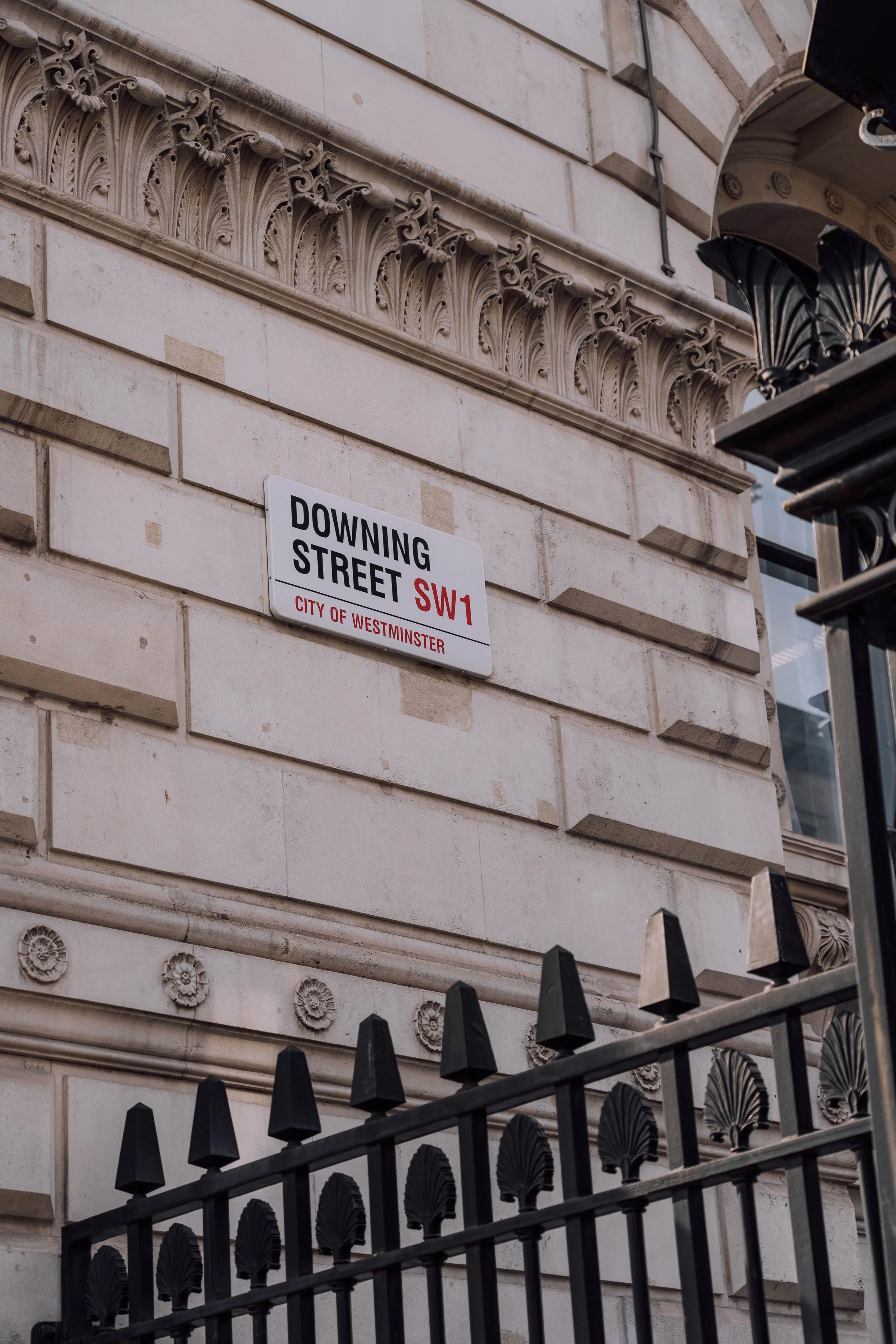
In Europe, the ECB is expected to retain a flexible stance as policymakers assess the impact of higher energy costs. UK markets are focused on Prime Minister Andy Burnham’s cabinet appointments and early fiscal decisions, with investors looking for reassurance that spending plans will remain credible.
USD: Oil clouds the softer inflation story
The dollar begins the week with less support from US interest rate expectations. Softer inflation data pushed the two-year Treasury yield towards 4.18%, while the ten-year yield eased to around 4.55%.
The figures support the view that the Federal Reserve may leave rates unchanged through the second half of the year. Even so, policymakers are unlikely to declare victory over inflation after one set of weaker releases.
Oil is now the main risk to the softer-dollar outlook. A sustained move above $90 could raise fuel costs, complicate the inflation picture and restore expectations that US rates will remain higher for longer.
The dollar could also benefit if rising oil prices or weaker technology shares trigger a wider move away from risk. For now, softer inflation points to modest dollar weakness, but geopolitical uncertainty should limit the downside.
GBP: Fiscal credibility moves into focus
Sterling enters a pivotal week supported by attractive UK yields and strong recent momentum. Andy Burnham formally becomes Prime Minister today, with markets awaiting confirmation of his Chancellor and the government’s first policy announcements.
Shabana Mahmood is widely expected to replace Rachel Reeves. Sterling has already responded positively to reports that she is the leading candidate, meaning much of the potential benefit is likely reflected in current prices.
The larger risk is an early fiscal giveaway. Proposals to reduce energy bills may support households, but they would come at a time of high taxation, rising spending and limited room for additional borrowing. Any sign that the government is weakening fiscal discipline could place pressure on gilts and sterling.
The pound nevertheless remains firm. GBP/USD recently traded above 1.35, while GBP/EUR reached a one-year high above 1.18. Sterling has also performed strongly against lower-yielding currencies, although it continues to lag the Australian dollar and Norwegian krone.
GBP/EUR remains in an established uptrend. The recent pullback from its 13-month high appears consistent with profit-taking rather than a reversal, with the technical outlook remaining constructive above the 1.1600 to 1.1632 breakout area.
This week’s labour market, inflation, retail sales and PMI releases will test current Bank of England pricing. With around 50 basis points of tightening priced by March 2026, weaker data could reduce sterling’s interest rate advantage.
EUR: Limited scope for an ECB boost
EUR/USD has recovered from its late-June low near 1.1350, but the move largely reflects a softer dollar rather than renewed confidence in the euro.
Thursday’s ECB meeting is unlikely to provide a decisive catalyst. Following June’s rate increase, President Christine Lagarde is expected to preserve flexibility while policymakers assess geopolitical risks and the impact of higher energy prices.
Markets already place a high probability on another rate rise in September, with a move fully priced by October. This leaves limited room for a more hawkish shift and reduces the prospect of lasting support for the euro.
Higher oil and gas prices are also a concern for the eurozone because of its reliance on imported energy. A further escalation around the Strait of Hormuz could weaken growth expectations and place additional pressure on the single currency.
EUR/USD should continue to find support between 1.1350 and 1.1400. However, the broader bias remains cautious, particularly if oil extends its advance or geopolitical negotiations deteriorate.
Looking ahead
Oil: A sustained move above $90 could lift inflation expectations and support the dollar.
UK politics: Cabinet appointments and early fiscal measures will shape confidence in sterling.
UK data: Labour market, inflation, retail sales and PMI figures will test Bank of England pricing.
ECB: Limited scope for a hawkish surprise may leave the euro under pressure.
Risk sentiment: Technology earnings and equity performance will influence demand for defensive currencies.
Key levels: GBP/EUR support sits near 1.1600 to 1.1632, while EUR/USD support remains around 1.1350 to 1.1400.